
Royal Ascot: The Fascinating History Behind Royal Tradition
King Charles and Queen Camilla opened another week of racing steeped in centuries of royal history.
- 0Facebook
- 0Twitter
- 2Pinterest
- Total2
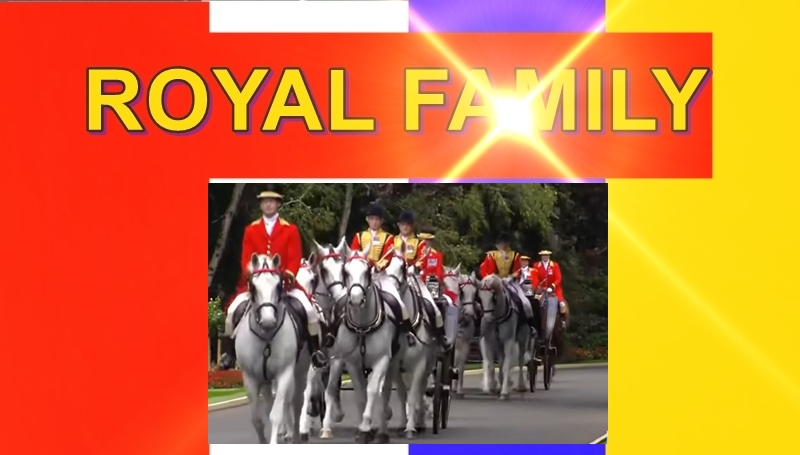
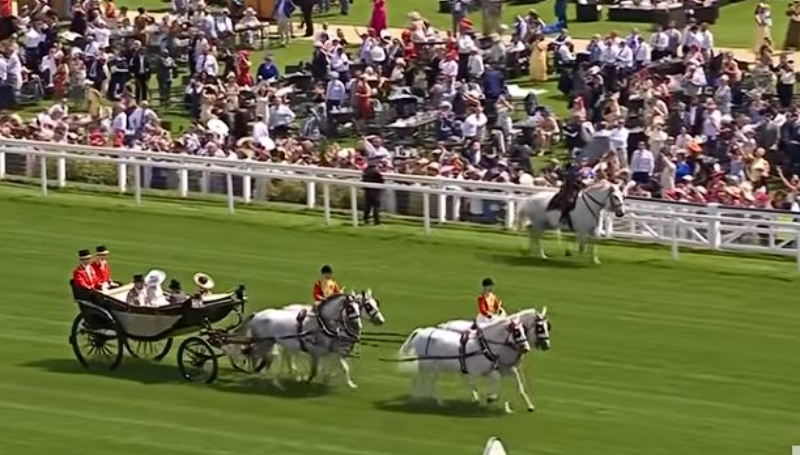
King Charles and Queen Camilla led the royal carriage procession down the famous straight mile, and that kicked off another lively week at Royal Ascot.
Lots Of Symbolism
You could see the monarchs waving to the grandstands, and it just felt like the ultimate symbol of the whole event.
But things didn’t go entirely to plan out on the track this year. King Charles and Queen Camilla watched from the royal box as their horse, Reaching High, finished well beaten in the Ascot Stakes.
Winning here is notoriously tough. The couple acknowledged as much in their official programme note.
Sweeter Days
They’d tasted the sweeter side back in 2023. Their horse, Desert Hero, scored a thrilling victory in the King George V Stakes.
That came just a year after Queen Elizabeth II passed away. The emotional weight of that moment hit a lot of people.
The Telegraph reported that “The Queen ‘burst into tears’ and the King ‘welled up’ after a horse bred by Elizabeth II won at Royal Ascot the year after her death.”
An Old Royal Passion
This intense royal passion for racing isn’t new. PP Travel noted that it goes back over three centuries to 1711.
Queen Anne spotted a patch of open heathland near Windsor Castle. She declared it a perfect place for horses to gallop at full stretch.
She wasted little time getting racing underway. The very first meet happened on August 11, 1711. They called it Her Majesty’s Plate.
Only seven horses showed up, competing for a prize of 100 guineas. It was a brutal test. The horses had to run three separate four-mile heats.
That made the total distance roughly the length of three Grand Nationals.
Apparently, the early racegoers needed some managing, so the ceremonial guards, known as Greencoats used long poles known as “prickers” to keep crowds off the course.
You’d think a pricker would ruin the vibe, but there you go.
Other Changes
Later monarchs slowly shaped the event into the social spectacle we know.
King George III established the exclusive Royal Enclosure in 1807. He wanted a private viewing area for his family and guests to watch the newly inaugurated Gold Cup.
That race quickly became the marquee event of day three. That afternoon eventually earned the title Ladies’ Day.
The Start Of The Royal Procession
The famous carriage arrival didn’t start until 1825. King George IV introduced the daily Royal Procession. He chose to arrive in horse-drawn carriages alongside his guests.
But not everyone managed that arrival with such elegance. Historical accounts claim that in 1823, the Duke of York arrived so late that he had to gallop up the turf while a race was underway.
He barely reached the royal stand ahead of the winning horse. Talk about cutting it close.
A Fashionable Event
The event didn’t officially take the name Royal Ascot until 1911. By then, the strict dress codes were well entrenched.
That was heavily influenced by the 19th-century dandy Beau Brummell. He insisted that men of elegance should wear perfectly tailored black coats and white cravats.
Over the decades, the fashion got increasingly eccentric. Gertrude Shilling became one of Royal Ascot’s most recognizable characters.
She wore hats so massive she reportedly needed a van just to transport them to the course. That’s a whole level of commitment.
The Expanded Extravaganza
The modern schedule expanded from four days to five in 2002. That celebrated Queen Elizabeth II’s Golden Jubilee.
Today, the five-day meet brings in roughly 300,000 visitors. They show up for the champagne, the elite thoroughbreds, and the strict style rules.
It remains a fascinating mix of high society and top-tier sport. Even if the royal horses occasionally let the family down.
Viewers React
When the Royal Family Channel shared a video about King Charles and Camilla leading the royal procession this week, many people had a chance to comment on the grand event.
One viewer wrote, “Love traditions. God save the King.”
Here are a few more responses from royal family fans:
- All the ladies looked so lovely, and Camilla’s jewelry was perfect.
- Absolutely wonderful video! The camera was always in the right place. You could see the speed and beauty of the carriage ride and also those in carriages…
- So glad they did the procession. There were rumors about equine flu outbreaks, but you know what, if there’s an equine flu outbreak, how can expensive thoroughbreds even run? This sense of ceremony is important.
What are your thoughts on the history of the Royal Ascot? Let us know in the comments below, and come back here often for all your royal family news and updates.
- 0Facebook
- 0Twitter
- 2Pinterest
- 0LinkedIn
- Total2
