
Sex and the City Turns 28: Why We’re Still Talking About Carrie & Company
The Emmy-winning HBO series broke rules, launched trends, and left behind a complicated legacy.
- 0Facebook
- 0Twitter
- 6Pinterest
- Total6
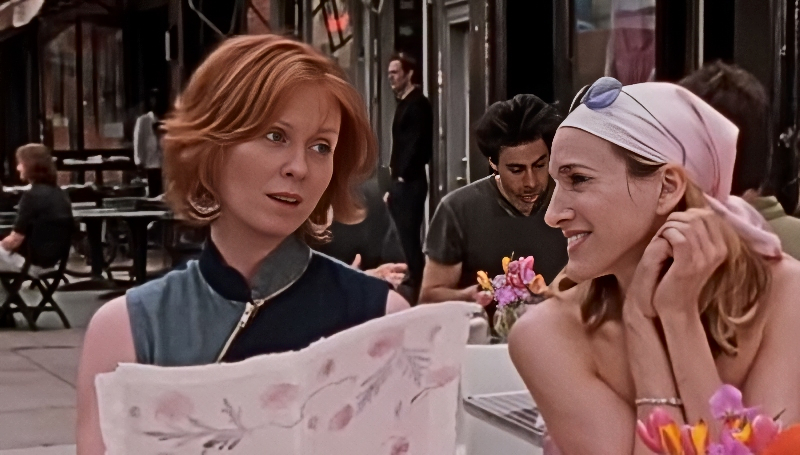
Sex and The City: Almost three decades ago, a quartet of bold women marched into a diner in Manhattan, wobbling in heels that could cause any podiatrist pain. They turned television on its head along the way.
The Premiere in 1998
Sex and the City (SATC) premiered on June 6, 1998. At that time, female characters on television were typically given the role of a girlfriend or a mother figure. Possibly the lady behind a guy’s midlife-crisis SUV.

Then arrived Carrie, Miranda, Charlotte, and Samantha. Right out there, setting their own standards, embracing every bad date and dubious decision.
The guys: Big, Aidan, Steve, the fridge-raider, all loitered around the perimeter, mainly it seems, for visual appeal.
Frankly, that piece remains effective. What’s left? Not everything has endured. Certain moments seem completely stale, like leftover takeout from the Clinton years.
The Best Things
Prior to the series, no one on television truly discussed sexual climaxes. Absolutely not the complicated variety. Sex and the City jumped right in: sex toys, venereal infections, the awkward walk home following a one-night stand.
Long before online matchmaking, you’d swap out phone numbers scribbled on damp napkins, all the while hoping the bartender’s knowing nod didn’t leave you stepping out with a criminal.
Candace Bushnell, whose original column started it all, hit the mark, per Bustle: the series succeeded because these women weren’t sweet or simple.
Instead, they were noisy, shameless, and, honestly, total chaos. It happened to be the highlight. And that remains important.
Their bond, honest though uncomfortable, was consistently the genuine essence of the show.
All the rest, the partners, conflict, costly footwear, simply receded into the background. That flip right there? It continues to pay off.
The Negative Things
Okay, let’s be honest: here’s where it gets awkward.
Sex and the City firmly set its roots within New York City, among the most ethnically rich spots in the world.
Consider the population: white people make up the minority. Across six seasons and ninety-four episodes, the main group remained unchanged: merely four white women at the heart of it.
In These Times labeled it as “soft white supremacy.”
That wasn’t an accident or a tiny oversight. The choice was unmistakable, similar to declaring doughnuts a food group every day.
You know the episode where Samantha encounters an African American music producer? She tried debating the concept of “reverse racism” with him directly. Seriously, that actually aired.
Or, when Carrie discovers her boyfriend had relationships with men before and responds as if he admitted to murder.
Mostly, that seemed strange coming from someone whose profession literally involves writing about sex. One might expect a bit less dramatic disapproval.
Then came And Just Like That, suddenly more Afro-American and queer characters, new voices everywhere. The intent was fine. The execution was clumsy.
The Guardian called it “wildly incoherent.” Fair enough.
The Trend
The show continued with strong characterization, if notably ridiculous. Behold, the frilly skirt. The Manolos. The Fendi Baguette that got snatched at gunpoint.
Costume creator Patricia Field presented all the women as her personal walking topics. Samantha? Sheer sexual allure. Charlotte donned pearls and hid her panic. Miranda marched about in the manner of a lawyer who accidentally developed feelings.
And Carrie? Well, she was everything all at once: vintage, designer, broke, fabulous. Clear evidence that it’s possible to appear incredibly chic despite your financial chaos.
Precisely how could a part-time columnist succeed in getting a nice apartment along with a wardrobe packed with designer shoes? Spoiler: She didn’t.
The show winked at that question and just moved along, like someone ghosting a party. That may have appeared as harmless imagination in the year 1998.
As of 2026, with sky-high rent and the majority living in tiny apartments, it simply reminds us of a depressing reality. Some people live the Manhattan dream, while the rest of us deal with the fallout.
The Legacy
SATC kicked the door open. And then shows like Girls, Insecure, Broad City, The Sex Lives of College Girls, and Euphoria stepped in confidently.
There was notably greater diversity, reduced ankle injuries, and lower stress about turning forty.
In Sex and the City, clothes were often about status. The shoes mattered. The handbag mattered. Looking successful mattered.
Shows like Euphoria bring a different conversation. Fashion is now more about self-identity, self-expression, and belonging.
The themes aren’t completely different. They’re just being viewed through a different generation’s lens.
Now, almost thirty years later, the show’s kind of like that aunt who gets invited to dinner and immediately says something wild.
You admire her courage, you watch the gravy boat warily. She cleared the path, ensured we noticed where things became difficult, as well.
The Early Show Worked At The Time
Candace Bushnell said those early seasons worked because the women were “a little bit more bada**.”
They didn’t care about being liked. Righteousness wasn’t the goal. They merely desired to return home without losing composure in those high heels.
You can still raise a glass to that.
Sex and the City changed television, even if parts of it now look hopelessly dated. Whether that’s enough in 2026 is up to the audience.
- 0Facebook
- 0Twitter
- 6Pinterest
- 0LinkedIn
- Total6
